Compliance Guide: ATEX, SGS and NFPA 701 for Underground Ventilation Ducts
A procurement-focused guide to the evidence layers that decide whether a ventilation duct is approved for a mine or tunnel project — and what each certificate actually proves.
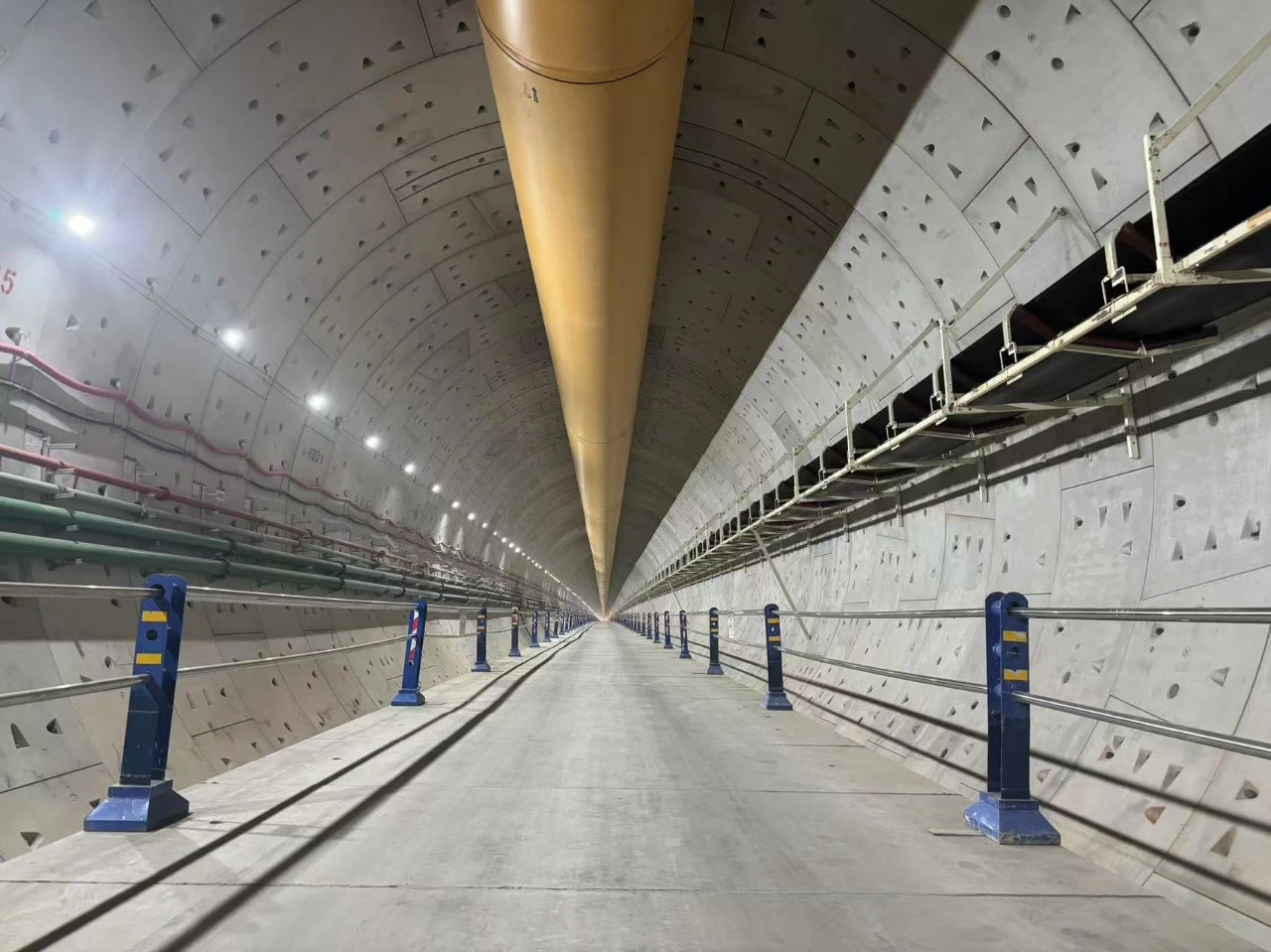
Underground ventilation ducts operate inside one of the most tightly regulated environments in industrial procurement. The same fabric duct that carries fresh air to a tunnel face or a mine drift is also expected to dilute hazardous gas, withstand constant friction, hold pressure around the clock, and avoid feeding a fire. Before that material is allowed underground, a project safety file normally has to demonstrate each of those claims in writing.
This guide is written for procurement teams and technical buyers who must confirm that a ventilation duct meets international safety standards. It explains what ATEX, SGS and NFPA 701 each cover, where their scope ends, and how those frameworks translate into documents that can actually be checked. The 700 g/m² high-strength flame-retardant duct from Jiangsu Sulong Eco-Technologies Co., Ltd (SULONG) — built with zero-leakage seamless construction — is used throughout as a working model of a compliant product.
The Compliance Problem: Three Mismatches Buyers Should Look For
In practice, the difficulty in duct procurement is rarely a complete absence of paperwork. It is usually a mismatch between the paperwork and the product. Three mismatch patterns are worth checking on every submission, whether the item quoted is a tunnel ventilation duct, a mining ventilation duct or a spiral ventilation duct.
- Product-to-certificate mismatch. A certificate that covers a material or model family that is not the item being quoted — for example, a flame-retardant fabric approval quoted against a duct that will actually be supplied with a different fabric weight, coating or construction.
- Property-to-application mismatch. A test report that proves tensile strength but not flame spread, or that proves flame spread on a flat material sample rather than on the finished welded duct that will hang underground.
- Market-to-spec mismatch. A standard from one jurisdiction quoted for a project in another. A US underground mine and a European tunnel project do not work to the same rule set, and mixing them produces a file that nobody can verify.
A fourth, quieter issue is construction. A duct can be built from compliant fabric and still lose air at the seam. Leakage is a construction outcome, not a material property, which is why zero-leakage claims should be read against the welding process and the inspection records behind it. That is the point where compliance stops being a document exercise and starts being a manufacturing question.
Industry Background: Why Regulatory Density Is Rising Underground
Underground mining accounts for the dominant segment of the mine ventilation market, driven by the critical need for hazardous gas dilution, according to Persistence Market Research. The wider mine ventilation market was valued at USD 1.42 billion in 2024 and is projected to reach USD 2.03 billion by 2030, a CAGR of 6.2%, based on Strategic Market Research data. The air duct market as a whole was valued at USD 7.14 billion in 2023 and is projected to reach USD 10.20 billion by 2032 (SNS Insider), while the global flexible ducting segment was USD 203.97 million in 2024 and is expected to reach USD 335.78 million by 2033 (Intel Market Research). Asia Pacific held a 38.2% revenue share of the spiral duct fittings market in 2025 (Dataintelo).
Market sizing in this category varies by reporting scope — whether fans, complete systems or ducting alone are counted — so these figures are best read as direction rather than as a single benchmark. The regulatory direction, however, is consistent.
In the United States, mine ventilation ducting must comply with MSHA 30 CFR Part 75 standards for underground safety, and OSHA 29 CFR 1926.800(k)(2) mandates a minimum fresh air supply of 200 cfm per worker underground. That airflow requirement feeds directly into duct diameter, section length and fan duty — which means a compliance decision is also a sizing decision. In Europe, EN 12237 specifies airtightness and pressure requirements for round sheet metal air ducts, and it remains a useful reference for how leakage classes are described in duct procurement discussions even where the duct itself is a coated-fabric design. Ventilation-on-demand is spreading as well: Dataintelo reports that 35% of new North American mines had adopted VOD technology by 2025, placing more emphasis on how reliably a duct system performs under changing airflow demand.
ATEX: The Explosion-Risk Layer
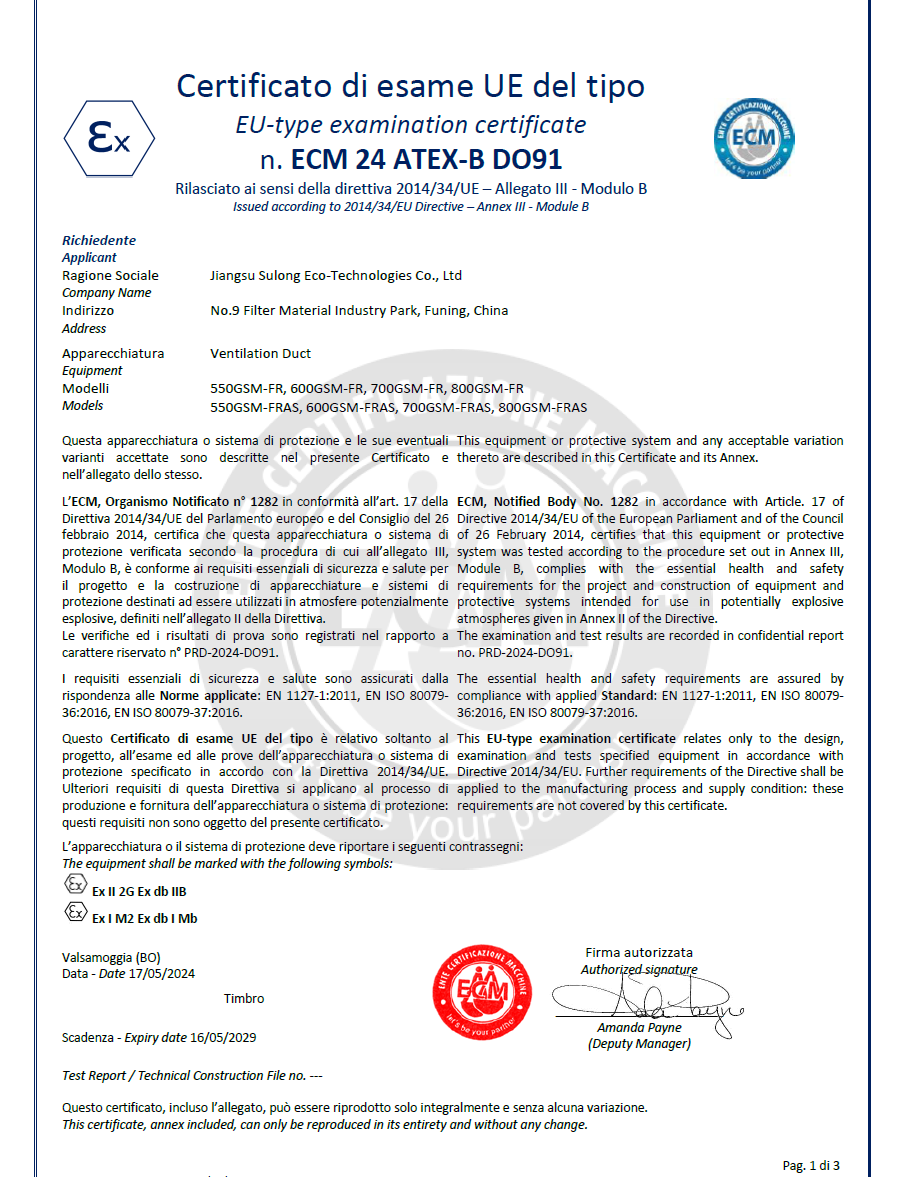
ATEX is the European framework governing equipment and protective systems intended for use in potentially explosive atmospheres. Underground, it becomes relevant wherever methane, coal dust or another flammable atmosphere may be present in the same space as a duct, its fan and its fittings. For a buyer, ATEX is not a single laboratory number — it is a conformity position that should be verifiable for the specific duct construction and accessories supplied, not only for the raw fabric roll.
The practical questions for an ATEX ventilation duct in a mine or tunnel are therefore: which duct range is covered, which components are included in that coverage, and does the quoted anti-static or flame-retardant configuration sit inside the covered scope. SULONG lists EU ATEX among its certifications for its mining and industrial ventilation duct range, alongside CE, ISO 9001, ISO 14001 and ISO 45001. The company's engineering function includes 18 R&D specialists and has contributed to drafting national industry standards for PVC-coated fabrics used in ventilation ducts — relevant context when a procurement team is judging whether a supplier understands the standard and not merely whether it holds a certificate.
SGS Test Reports: Independent Evidence of Claimed Performance
SGS is an independent testing, inspection and certification organization. In duct procurement, an SGS test report is third-party evidence that specific properties were measured on a specific sample. It is not a product certificate, and it does not by itself declare a duct suitable for a given project — but it does move a claim from "the supplier states" to "an independent laboratory measured".
SULONG's flexible and spiral ventilation ducts are supported by SGS test reports alongside ISO 9001, ATEX, CE and CNMA listings, and the company also holds test reports certified by Australian NATA laboratories. When reviewing that evidence, four items are worth confirming: the sample identification, the fabric weight and coating used, the test method applied, and the report date relative to the order.
Mechanical claims are usually referenced against defined test methods rather than described in general terms. SULONG flexible ventilation ducts are specified with a tensile strength range of 1,000 N to 4,200 N, with tensile and tear strength approved under the DIN 53354 and DIN 53363 test methods. Those method references are what allow a third-party report to be compared with a project specification, rather than simply accepted.
NFPA 701:2015 and DIN 4102 B2: Flame Spread of the Duct Fabric
NFPA 701 is a fire test standard for textiles and films. For a flexible ventilation duct, ventilation tube or ventilation bag made from coated fabric, NFPA 701:2015 is the reference most often quoted by tunnelling and mining clients outside Europe. DIN 4102 B2 is a German fire-behaviour classification frequently requested alongside it.
SULONG flexible ventilation ducts are approved to flame retardant standards NFPA 701:2015 and DIN 4102 B2, and the duct range is offered in FR (flame retardant) or FRAS (flame retardant, anti-static) performance. The distinction matters underground. Antistatic fabric is offered as an option across the flexible and spiral ranges, and the spiral ventilation duct application calls for flame retardancy together with surface anti-static resistance and high tensile strength up to 4,200 N.
Fire performance is also where the difference between an underground ventilation duct and a general-purpose industrial ventilation duct becomes clear. A duct that is acceptable in a surface plant may still be the wrong specification for a deep shaft with potential explosion hazards, elevated humidity and constant friction — the operating conditions that SULONG lists for both its flexible and spiral duct ranges.
What a Compliant Duct Looks Like: The 700 g/m² High-Strength Series
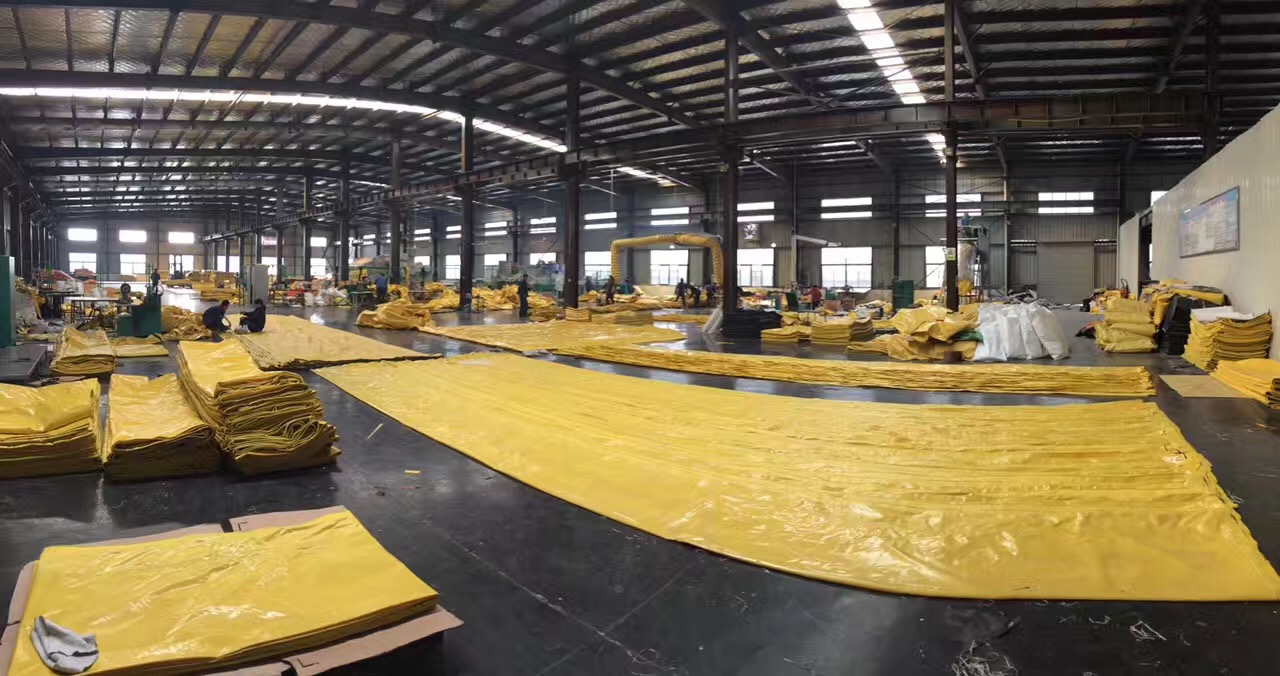
Compliance is a property of the finished duct, not only of the fabric roll. The reference product in this guide is SULONG's 700 g/m² high-strength flame-retardant series, specified with zero-leakage seamless construction. Its documented key characteristics are compliance with SGS, ATEX and NFPA 701 requirements and reliable transcontinental multimodal logistics for project delivery.
Flexible Ventilation Duct — Core Specifications
| Parameter | Specification |
|---|---|
| Diameter | 200 mm to 3,200 mm (custom diameters available) |
| Section length | 1 m to 300 m (custom lengths available) |
| Material weight | 300 gsm to 2,000 gsm |
| Tensile strength | 1,000 N to 4,200 N |
| Performance | FR or FRAS; antistatic fabric optional |
| Construction | Seamless one-piece fish-back welding automation technology |
| Material | PVC coated fabric, PVC laminated fabric |
| End connection | Zipper / Velcro / steel ring / eyelets |
| Certification | ISO 9001, ATEX, CE, CNMA, SGS test reports |
Spiral (Semi-Rigid) Ventilation Duct — Core Specifications
| Parameter | Specification |
|---|---|
| Diameter | 200 mm to 2,800 mm (custom diameters available) |
| Section length | 1 m to 20 m (custom lengths available) |
| Reinforcement | Spring steel wire, 5 mm to 10 mm |
| Usage environment | Positive pressure or negative pressure |
| Manufacturing process | Welding |
| Material | PVC coated fabric, PVC laminated fabric |
| Certification | ISO 9001, ATEX, CE, CNMA, SGS test reports |
Why seamless construction carries so much weight in a compliance review: welded seams are the primary leak path in a fabric duct, and leakage compounds over a long drive. SULONG manufactures these ducts fully in-house on automated production lines, with all processes self-produced and no outsourced manufacturing, and reports a monthly capacity of over 80,000 metres of duct and an annual capacity of over one million metres of high-strength mining ventilation duct.
Quality control is a documented process rather than a final visual check. SULONG implements 100% inspection in accordance with ISO 9001:2015, covering batch IQC checks, IPQC patrol inspections every two hours, and 100% FQC physical performance testing before shipment. For a procurement file, that sequence is the link between a zero-leakage claim and the batch that actually ships.
Step-by-Step: Building a Duct Compliance File
- Define the operating environment first. Deep underground shafts combine high pressure, elevated humidity, constant friction and potential explosion hazards. The duct typically runs in 24/7 continuous high-pressure ventilation mode, connected to a fan that blows fresh air into the tunnel and dilutes hazardous gases. Write this down before looking at any certificate, because it determines which standards are relevant.
- Map the standards to the project, not to the supplier brochure. For a US project, MSHA 30 CFR Part 75 and the OSHA fresh-air requirement of 200 cfm per worker set the baseline. Where explosion risk is assessed under EU rules, ATEX applies. Fabric flame spread is normally covered by NFPA 701:2015 and, in Europe, DIN 4102 B2.
- Match every certificate to the exact product quoted. Confirm that the certification covers the duct type being purchased — flexible, spiral, semi-rigid or oval — and not a different model family. A flexible duct approval should not be used to clear a semi-rigid duct line.
- Verify the test reports themselves. Check that SGS or NATA-certified reports identify the fabric weight and coating, name the test methods (for example DIN 53354 and DIN 53363 for tensile and tear strength), and are current relative to the order date.
- Check the quality system behind the product. ISO 9001, ISO 14001 and ISO 45001 certificates qualify the manufacturing site; the inspection regime behind them should be described in writing — batch IQC, IPQC at two-hour intervals, and 100% FQC physical performance testing before shipping.
- Confirm construction against the compliance claim. Zero-leakage performance depends on seamless one-piece fish-back welding automation, verified end connections (zipper, Velcro, steel ring or eyelets), and correct reinforcement — spring steel wire from 5 mm to 10 mm on the spiral range.
- Close the commercial loop in the same file. Standard orders require a lead time of 15 to 30 days, with expedited production available for urgent mine maintenance. MOQ is flexible, with no strict minimum order quantities for standard stock and mining trial orders. Record the support terms alongside the technical evidence: 24/7 customer support, video-based technical diagnosis within two hours, global on-site engineer dispatch, bilingual installation and training manuals, and a free replacement policy for production defects within the 12-month warranty period.
Use Cases: Where Compliance Requirements Bite Hardest
Compliance documentation is easiest to test against real projects, because underground conditions expose specification gaps quickly.
- Xi'an–Chengdu Railway, China. A 19.68 km tunnel project and a key component of the national "Eight Vertical and Eight Horizontal" high-speed rail network, where 20 km of ventilation duct was installed over four years. The project achieved a low air leakage rate in a long tunnel ventilation system — the scenario where seam quality and airtightness show up first.
- Melbourne Metro Rail Project, Australia. A 9 km underground tunnel where SULONG has supplied 1,500 mm diameter ventilation ducts since 2019. The documented highlights are high flame retardancy, easy installation and a flexible large-diameter duct that meets strict safety requirements for underground tunnel projects.
- Trunk Road T2 Tunnel, Hong Kong. An undersea road tunnel built with tunnel boring machines, approximately 3.4 km long including about 2.1 km of undersea section, where ducts were used for construction-phase temporary ventilation under urban rail tunnel safety requirements.
- Guangxi Beibu Gulf water conservancy project, China. A 30 km tunnel programme delivered over three years, where ventilation had to work under water-rich and complex geological conditions tackled with slurry balance shield machines.
- Global Tier-1 mining conglomerate and EPC contractor. A three-year programme supplying 20 km of duct per year for primary forced ventilation and hazardous gas dilution. The 700 g/m² high-strength flame-retardant series with zero-leakage seamless construction was specified against SGS, ATEX and NFPA 701 requirements, and SULONG reports 100% stable continuous operation with a zero defect and rejection rate across the supply period.
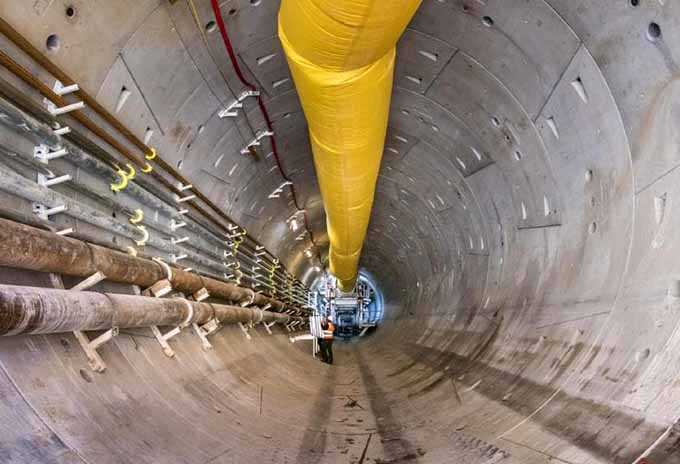
SULONG is also listed as a long-term strategic supplier to Zijin Mining and JCHX Mining, and as a qualified supplier to major Chinese groups including SINOHYDRO, CRCC and China National Coal Group. The company was founded in 2007, operates a 40,000 m² facility, and exports to markets including Africa, Australia, Europe, South Africa and Asia.
Comparison Table: What Each Compliance Framework Covers
| Framework | What it governs | Evidence used in a duct file | Underground relevance |
|---|---|---|---|
| ATEX (EU) | Equipment intended for use in potentially explosive atmospheres | EU ATEX listing for the ventilation duct range | Explosion-risk environments in mines and tunnels |
| SGS test reports | Independent third-party testing of stated properties | SGS test report identifying sample and properties | Verifying claimed performance rather than specification-sheet statements |
| NFPA 701:2015 | Flame propagation of textiles and films | Flame-retardant approval for the coated fabric duct | Flexible ventilation duct, tube and ventilation bag applications |
| DIN 4102 B2 | Fire-behaviour classification of materials | Listed alongside NFPA 701:2015 approval | European fire classification reference for coated fabric |
| DIN 53354 / DIN 53363 | Test methods for tensile and tear strength | Method references supporting a 1,000–4,200 N tensile range | Mechanical durability under 24/7 high-pressure duty |
| MSHA 30 CFR Part 75 | US underground mine safety requirements | Compliance position for mine ventilation ducting | US underground mines |
| OSHA 29 CFR 1926.800(k)(2) | Minimum fresh air supply of 200 cfm per worker underground | Air-quantity calculation feeding duct sizing | US underground construction |
| EN 12237 | Airtightness and pressure requirements for round sheet metal air ducts | Leakage and airtightness reference class | Benchmark language for leakage in duct procurement |
| ISO 9001 / 14001 / 45001 | Quality, environmental and occupational health and safety management systems | Site-level certificates | Factory qualification and audit response |
Frequently Asked Questions
Which certificates should be checked before approving an underground ventilation duct?
Three evidence layers are normally checked. ATEX covers the explosion-risk conformity position for the duct range; SGS test reports provide independent third-party measurement of the tested physical and fire properties; NFPA 701:2015, often paired with DIN 4102 B2, covers flame spread of the coated fabric. Behind those layers, ISO 9001, ISO 14001 and ISO 45001 certificates qualify the manufacturing site. SULONG's flexible and spiral ventilation ducts are listed with ISO 9001, ATEX, CE, CNMA and SGS test reports.
How does the 700 g/m² high-strength flame-retardant duct achieve zero-leakage construction?
The duct is manufactured with seamless one-piece fish-back welding automation technology rather than stitched or multi-seam assembly, so the duct wall is formed as a continuous piece. The flexible range is specified from 200 mm to 3,200 mm in diameter, 1 m to 300 m in section length, 300 gsm to 2,000 gsm in material weight and 1,000 N to 4,200 N in tensile strength, with zipper, Velcro, steel ring or eyelet end connections. The series is documented as complying with SGS, ATEX and NFPA 701 requirements.
What drives the cost of a compliant ventilation duct order?
Cost follows specification rather than catalogue size: material weight per square metre, diameter, section length, connection type, and whether FR or FRAS (flame retardant, anti-static) performance and antistatic fabric options are required. Because all production processes are completed in-house without outsourcing, MOQ is flexible — there are no strict minimum order quantities for standard stock and mining trial orders — and custom non-standard fabric specifications can be negotiated based on the minimum batch sizes of raw materials.
Can a buyer validate a duct before committing to a full project order?
Yes. Trial orders are supported for mining, with no strict minimum order quantity on standard stock, and the quality regime is designed to produce verifiable data: 100% inspection under ISO 9001:2015, batch IQC checks, IPQC patrol inspections every two hours, and 100% FQC physical performance testing before shipment. Buyers can also review SGS test reports and NATA-lab certified test reports covering the fabric and finished duct.
What is the standard lead time, and what support is included after delivery?
Standard orders require a lead time of 15 to 30 days, and expedited production is available to fast-track urgent mine maintenance orders. After delivery, SULONG provides 24/7 customer support, video-based technical diagnosis by specialists within two hours, global on-site engineer dispatch for troubleshooting, bilingual installation and training manuals, and a free replacement policy — no repairs — for production defects within the 12-month warranty period. For a quotation, a sample request or the complete ventilation duct catalogue, contact autumn@js-sulong.com or download the catalogue at SULONG Ventilation Duct Catalogue (PDF).
Conclusion: Compliance Is a Verified Chain, Not a Single Certificate
Approving a ventilation duct for an underground project comes down to assembling a verifiable chain: a defined operating environment, the correct standards for that environment, certificates matched to the exact product quoted, independent test reports with traceable methods, a documented quality system, and a construction method that supports the leakage and strength claims being made. When any link is missing, the file is incomplete — regardless of how many certificates are attached to it.
The 700 g/m² high-strength flame-retardant duct illustrates what a complete chain looks like in practice: ATEX and CE listings, NFPA 701:2015 and DIN 4102 B2 flame retardant approvals, SGS test reports, DIN 53354 and DIN 53363 method references supporting tensile values from 1,000 N to 4,200 N, zero-leakage seamless construction, and 100% inspection under ISO 9001:2015 before shipment.
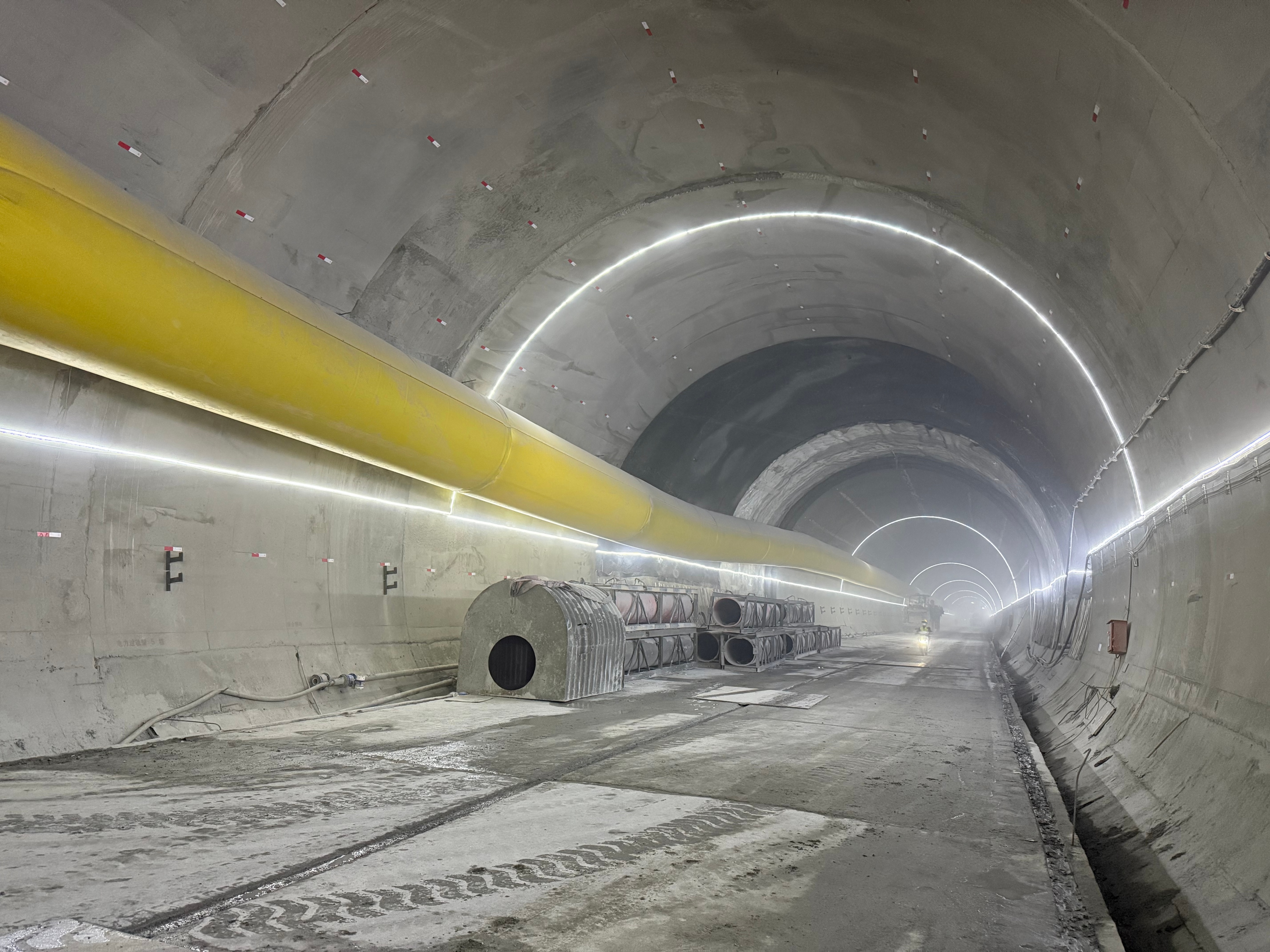
Next step for procurement teams: send your project conditions — tunnel or shaft length, required diameter, airflow duty, and the standards your client requires — and we will return a specification match, available lead time and quotation. Sample and trial orders are supported.
Download the Ventilation Duct Catalogue (PDF) | Request a quote on WhatsApp
Jiangsu Sulong Eco-Technologies Co., Ltd (SULONG)
Contact: Autumn Cui
Tel / WhatsApp: +86-18251952515
Email: autumn@js-sulong.com
Website: www.js-sulong.com
Address: No.9 Filter Material Industry Park, Funing, Yancheng, Jiangsu Province, China
Have Questions or Need More Details?
Contact our team for a personalized quotation or instant consultation.
Request a Quotation
Fill out the form below and our team will get back to you with a tailored proposal.
WhatsApp Direct Chat
Prefer to chat in real-time? Message us on WhatsApp for instant assistance & quick answers.
- Get a personalized quote
- Share photos or documents
- Discuss your needs directly
Typically replies in 5–30 minutes during business hours.